 Mid back pain (also called middle back pain or thoracic back pain) can make it difficult to perform everyday activities. Here are 3 of my favorite mid back exercises to help relieve pain & tightness.
Seated Ts, seated rows, and bear hugs are all simple exercises to get started. These should help loosen up tight mid back muscles and relieve pain in the mid back area.
More Back Pain Relief Videos:
You may also like

These back pain relief stretches are great for helping to relieve general back pain and back stiffness. The back stretches are done in real time, so they are easy to follow.

Pickleball back pain is a common injury among people of all ages from this popular sport. The stretches & exercises in this video will help strengthen, relieve pain, and loosen up the muscles around the back and hip area to help relieve back pain from Pickleball.

Mid back pain can make it difficult to perform everyday activities. Here are some of my favorite mid back stretches and exercises to help relieve the pain.

An achy back can make it painful to do daily activities. Some simple back stretches like these may help relieve the back pain and ache.

These back pain stretches and exercises are for general back pain like soreness from overworking your back or if you've pulled a muscle. Check out the back pain section of my website for more specific back pain related exercises and stretches.
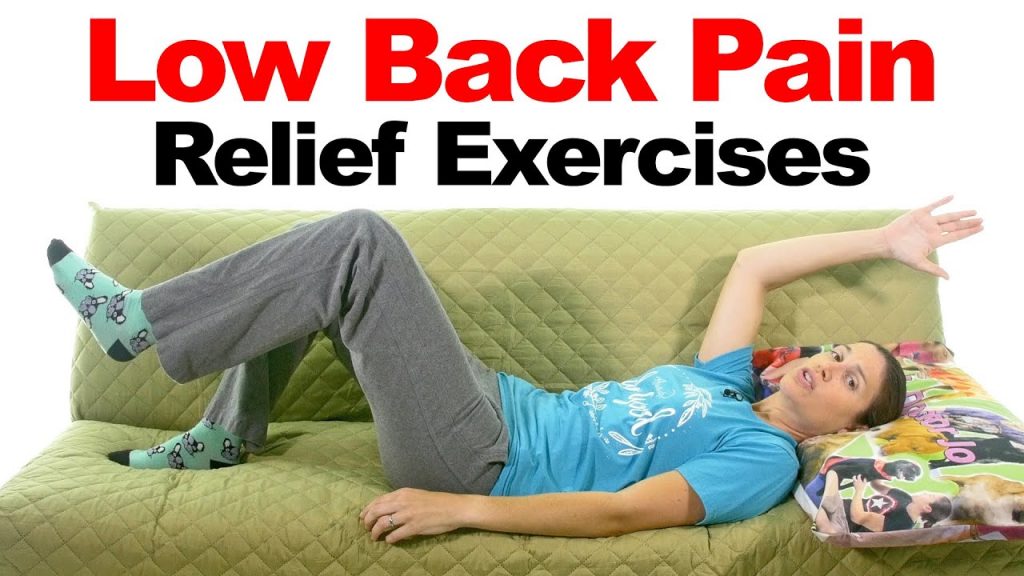
Low back pain can make it difficult to perform everyday activities. Here are three of my favorite lower back pain relief exercises that can help strengthen the muscles to help reduce pain.

The lower back can be a hard area to stretch depending on what is causing the pain. My favorite exercise for this area is a pelvic tilt. It’s a great exercise as well as a stretch for the low back, hips, and pelvis.

With osteoporosis, it’s important to perform exercises that strengthen the body while protecting the spine. Lying down in the hook lying position is a great way to help do this. The key is to move safely—maintaining good spinal alignment and avoiding twisting movements. These gentle exercises when done at one’s own pace should help with osteoporosis pain relief.

Cracking your back can help relieve back pain. But make sure the cause of your back pain is diagnosed first because with some back issues you should never crack your back.