Sciatic nerve pain usually occurs in the buttocks area, and it can often be caused from a tight muscle in the buttocks area called the piriformis muscle. People often describe the pain as achy, shooting, heavy, and just a pain in the butt…literally. This video will show you some simple stretches to keep the pressure off that sciatic nerve!
The first stretch for your piriformis will be on your back. Cross the leg over that is hurting into a figure 4 position. Grab the knee on the same side of the pain with your opposite hand, and pull it up and across your body to the opposite shoulder. Hold the stretch for 30 seconds and perform 3 times. The next stretch, you will keep the figure 4, and pull the good leg up towards your chest. You can use a belt or leash to help pull the leg up if your hips are not very flexible.
Finally, turn over onto all fours, or quadruped and cross the injured side in front of you. This is going to be a big stretch, so only do this if you are not feeling much of a stretch with the other exercises. Once you cross your leg over, lean down towards the floor to the opposite shoulder.
Peripheral neuropathy is basically when you have damage to your peripheral nerves from either a trauma or disease. This can cause your hands and/or feet become numb and tingly. I'll focus on the feet/legs for this video.
A stiff knee can be caused by tight muscles around the knee, injuries, or even arthritis. Some simple stretches to loosen up the muscles around the knee should help.
The ACL helps keep the knee stable, and prevents it from sliding forward. When you have a torn ACL, your knee can become painful and unstable. These stretches and exercises are for a non-operative or pre-operative injury.
Bowed legs (aka bowlegs, bow legs, or genu varum) can come from weak & tight muscles, bone deformations, and/or degeneration. These stretches & exercises are designed to help if it’s coming from weak and/or tight hip muscles.
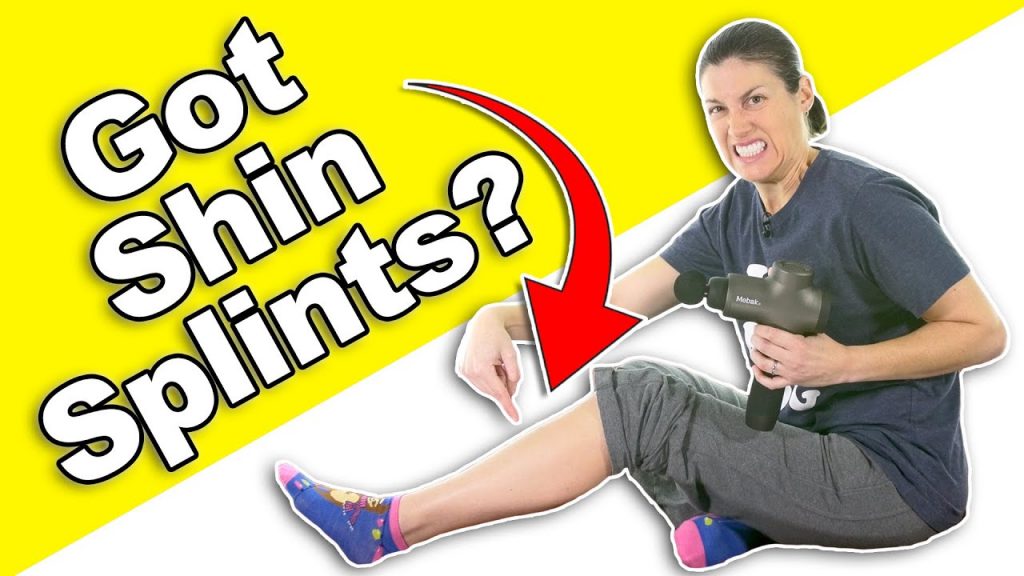
With Shin Splints, pain can be felt on the front (anterior shin splints) or on the inside/medial ankle (posterior shin splints). Using a massage gun on the painful area, as well as stretches & exercises, can help with pain relief.
With a total knee replacement, it’s important to do physical therapy on the knee (prehab) BEFORE the knee replacement because the stronger and more flexible the knee is before surgery, the better the recovery and outcomes will be.
Knee pain can be caused by tight or weak muscles around the knee joint. If you have general knee pain, the muscles you most likely want to stretch and strengthen are the quadriceps, hamstrings, and the calf/gastric.
These knee stretches and exercises in bed are a great way to help relieve knee pain in the morning before getting up, and/or when going to bed at night. And they don’t necessarily need to be done in bed, they can also be done on the couch or floor.
This standing stretching routine for seniors focuses on simple stretches that can help loosen up the muscles in the neck, shoulders, back, hips, and knees.

 Sciatic nerve pain usually occurs in the buttocks area, and it can often be caused from a tight muscle in the buttocks area called the piriformis muscle. People often describe the pain as achy, shooting, heavy, and just a pain in the butt…literally. This video will show you some simple stretches to keep the pressure off that sciatic nerve!