Your glute muscles are important for nearly every movement, posture, and pain prevention. When your glutes are strong and functioning properly, they help with things such as stabilizing your pelvis, supporting your spine, improving posture, helping with walking, stairs, running, etc.
When glutes are weak or not working properly, other muscles overcompensate, which can lead to discomfort, dysfunction and even injury.
There are three gluteal muscles, the gluteus maximus, medius and minimus. The gluteus maximus, or glute max, is large and powerful. It extends the hips, and helps with standing up, walking, and climbing stairs. The gluteus medius is on the outer side of the hip and helps with stabilizing the pelvis during activities. The gluteus minimus sits underneath the others and attaches deeper into the side of your pelvis. The two muscles work together to support pelvic alignment, lateral movement and internal rotation of the legs.
Glute Exercises from Doctor Jo mentioned in this video:
Relieving Chronic Pain through simple stretches and exercises starts with finding the right movements for your body. In this video, I'll show you gentle stretches and exercises to help relieve chronic pain without causing a flare-up.
Maintaining a strong and stable core is essential for overall health and fitness. If you’ve already mastered my beginner & moderate core exercises, it’s time to progress to more advanced core strengthening exercises. These exercises can help take your core strength to the next level, ensuring a strong and healthy body.
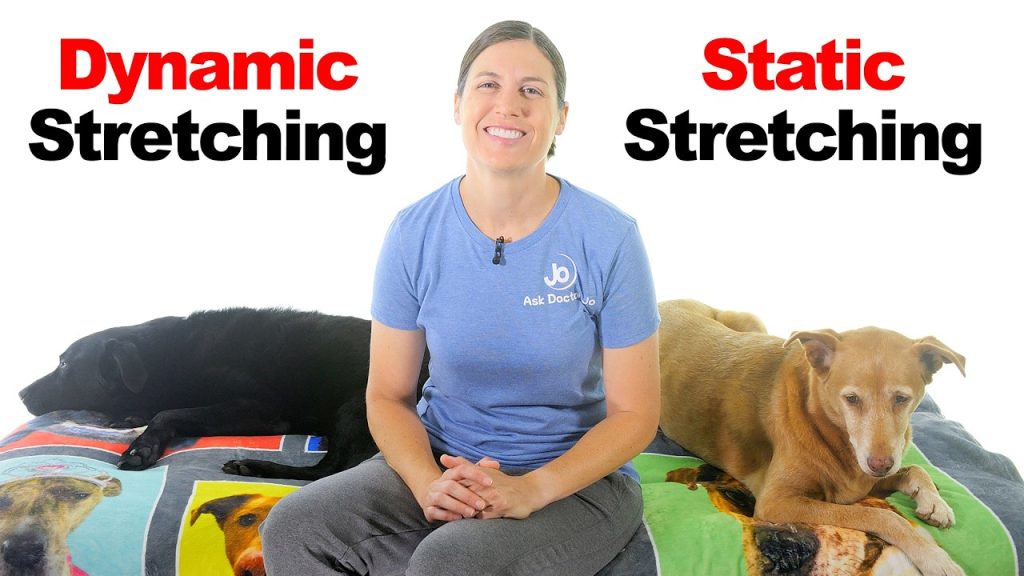
When should I stretch, and what kind of stretch should I use? Dynamic or Static? This video explores how pre and post workout stretching can help prevent injuries, and the importance of knowing when to do each version of stretching.
Sitting in front of a computer all day for school or work can tighten & weaken muscles in the neck, shoulders, chest, hips, knees, and feet. These sitting stretches & exercises may help.
The XPOLAR X2 combines Cold Therapy, Heat Therapy, Contrast Therapy, and Dynamic Compression in one device. This 4-in-1 ability makes it a convenient and effective treatment for a wide variety of injuries.
Tinnitus is a ringing in your ears. For some people, this simple technique may stop tinnitus immediately giving you instant relief. Tinnitus can also be another noise like buzzing, roaring, hissing, etc.
Muscles and joints can become sore and irritated for many reasons including stress, over working the muscles, or an injury. These gentle stretches should help relieve sore muscles and joints.
Breathing exercises can be a great way to help relieve stress and anxiety. This video focuses on two relaxing breathing techniques: Square breathing (aka box breathing, 4x4 breathing, 4-part breath, etc.) and Pursed breathing.