Sponsored Content: This video contains paid product placement. Thank you to RENPHO for sponsoring this video and providing Doctor Jo with a free Active Thermacool 2 Massage Guns to use. If you purchase products from these links/ads, Doctor Jo will earn a commission from qualifying purchases.

Click Here to Buy the Active Thermacool 2 Massage Gun!

Hot therapy, cold therapy, and massage therapy can help the healing process during an injury, and they can also help reduce acute and chronic pain. But which one should you use?

Here are some general rules for using hot vs cold vs massage.

Specifically for hot and cold therapy, there are certain times when one is better than the other, but there are always exceptions to the general rule, so make sure to check with your healthcare provider to see what will work best for you.

Heat therapy can help improve circulation and blood flow to an area by increasing the temperature. This can help relieve pain and increase muscle flexibility.

Cold therapy, also known as cryotherapy, works by reducing blood flow to an area. This can reduce inflammation and swelling that causes pain. It can temporarily reduce nerve activity, which can also relieve pain.

Massage guns work by delivering rapid, gentle pulses to target deep muscle fibers. This can help relax tight muscles, break up scar tissue and adhesions, and minimize tension and soreness.

The Active Thermocool 2 Massage Gun has all three options, which makes it a great tool to have. With it’s dual-temperature features, this massage gun with heat and cold offers 8 settings to heat muscles up to 113°F (45°C) for soothing relaxation or cool them down to 46°F (8°C) to refresh tired muscles, accelerating your recovery for more effective results.

Before using any of these, it’s important to check with your doctor or physical therapist to understand any precautions and to help decide which may be right for you.

You may also like

Driver Stretches
If you're a truck driver or a delivery driver, sitting all day can put a lot of stress on your body, especially your back, bottom, legs, and hips. These stretches and exercises are a great way to help keep your body moving for all kinds of drivers and anyone who sits a lot throughout the day.
Bell's Palsy Exercises
Bell’s Palsy is the sudden weakness of your facial muscles on one half of the face. These exercises may seem like you are just making funny faces, but this will help get the weak muscles working again.
Groin Pain Relief
Groin pain can come from many things, so it’s important to get a proper diagnosis. Groin pain can be from an adductor strain, labral tear, hip impingement, hip arthritis, or a sports hernia. These simple stretches and exercises should help relieve the pain.
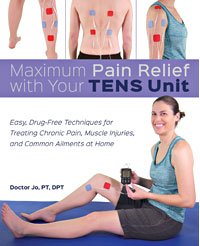
Use a TENS Unit
TENS units & EMS units can be very helpful when recovering from an injury or surgery. The two are very different, but often come together in one unit like the iStim EV-805 unit I use in this video.
Improve your gait
PTs will often analyze your gait by watching you get up and walk across the room, but most of the time we are analyzing your gait as soon as you walk into the clinic. If you have been diagnosed with gait abnormalities, these stretches and exercises might help.
Squat Safely
We squat every day from sitting down in a chair to getting out of bed, or even sitting safely on the toilet, but squats can be a painful task when something hurts, or our muscles are weak. Practicing squats in a reverse order can help strengthen the muscles and work on doing them correctly and safely.
Pelvic Floor Strengthening
The pelvic floor muscles are often overlooked, and people don’t think about strengthening them. Since the pelvic floor muscles are small, it doesn’t take a lot of movement to work them, so it’s best to start with a little and slowly progress.
Pregnancy Lower Back Pain Relief
In this video, I teamed up with Dr. Jen, a pelvic floor physical therapist who also happens to be pregnant! She'll show you her top 5 exercises to help relieve low back pain when you are pregnant by mobilizing and stabilizing the pelvis.
Relieve Stress & Anxiety
Breathing exercises can be a great way to help relieve stress and anxiety. This video focuses on two relaxing breathing techniques: Square breathing (aka box breathing, 4x4 breathing, 4-part breath, etc.) and Pursed breathing.

Page 1 of 9