Cyclic sighing, also known as physiological sigh or double inhale, can be a great way to help relieve stress and anxiety.
A research study by Stanford Medicine put people into four groups and asked them to practice mindful meditation, or one breathing exercise: box breathing, cyclic hyperventilation or cyclic sighing, for five minutes a day for 28 days. The study found that even though they all helped, cyclic sighing has the most impact.
The breathing techniques help activate the parasympathetic nervous system, responsible for resting and digesting, so heart rate slows, blood pressure drops, and digestion is improved, which helps the body and mind relax.
Related Dr. Jo Videos:
You may also like

Tension headaches are very common, and they can really shut you down. Stress is the number one cause of tension headaches. These simple stretches and exercises can help relax the muscles that are causing the pain.

Tinnitus is a ringing in your ears. For some people, this simple technique may stop tinnitus immediately giving you instant relief. Tinnitus can also be another noise like buzzing, roaring, hissing, etc.

Finding the perfect mattress can be difficult. Some people like firm mattresses, some like soft mattresses, and some like them in between. Since people often ask me what mattress I sleep on, here's a 1 year follow-up to the Back Science Mattress I currently sleep on.

This seated stretching routine for seniors focuses on simple stretches that can help loosen up the muscles in the neck, shoulders, back, hips, and knees.

Finding a comfortable position to sleep at night can be challenging for some people. People who sleep on their sides and suffer from back, hip, and/or shoulder pain may find these tips helpful to get a better night’s sleep.

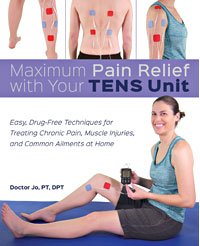
A TENS Unit helps reduce pain and increase circulation. Basically the vibration of the TENS follows the same pathway as the pain pathway to the brain and helps cancel it out. Learn more about TENS in this video.