Top 5 Lumbar Spinal Stenosis Exercises & Stretches
Lumbar spinal stenosis can press on the spinal cord and the nerves that travel through the spine. Symptoms include pain or cramping in the legs when standing for long periods or when walking.
Lumbar spinal stenosis often happens with age. The discomfort usually eases when bending forward or sitting down. These exercises & stretches should help relieve lumbar spinal stenosis pain.
Start off by stretching your lower back and gluteus muscles. This will help take the pressure off your spine.
Then you will go into a progress of the dead bug. This includes a pelvic tilt, and movement of the arms and legs. Make sure you master the pelvic tilt first because it’s the most important part of the exercise.
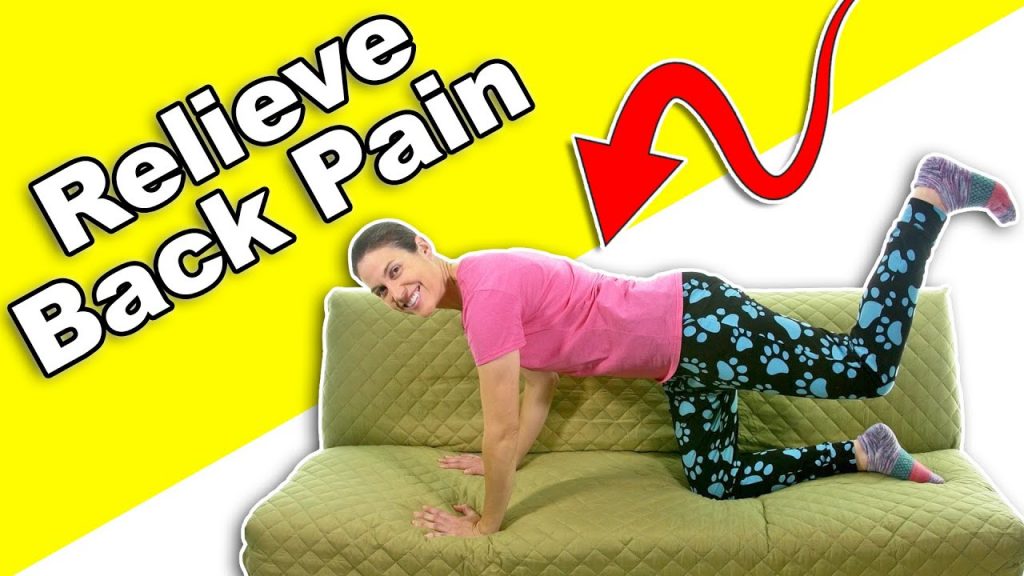
Finally, you will do a bird dog progression in quadruped. This helps strengthen the core, and it helps work on general stability.
Cracking your back can feel great, and it can help relieve back tension and back pain when it's done correctly. But it's very important to have a proper diagnosis because sometimes you should not crack your back at all. So always get cleared by your doctor or physical therapist before trying.
Upper back pain or thoracic area pain is sometimes caused by trigger points or muscle knots. Trigger points are basically when a specific area on a muscle gets irritated and tightens up into a ball or knot.
Getting Back Pain Relief can be a daily challenge, whether the back pain occurs in the morning after waking up or at the end of a long day. This guided, real-time back stretching routine is designed to help relieve back pain, back stiffness, and improve back flexibility, whether you are starting or ending your day (or anywhere in between).
This back pain relief exercises routine can help strengthen, relieve pain, and loosen up the muscles around the back and the hip area. These back exercises are done in real time, so it’s easy to follow along with the routine.
These back pain relief stretches are great for helping to relieve general back pain and back stiffness. The back stretches are done in real time, so they are easy to follow.
A herniated disc can be very debilitating. Sometimes a nerve can get compressed, and there will also be numbness and tingling going down one leg. These stretches and exercises should help relieve the pain.

 Lumbar spinal stenosis can press on the spinal cord and the nerves that travel through the spine. Symptoms include pain or cramping in the legs when standing for long periods or when walking.