Sleep Better At Night With Simple Evening Exercises!
Struggling to get a good night’s sleep? You’re not alone! A survey by the US Centers for Disease Control and Prevention showed that in the US, nearly 40% of adults age 45-64 report not getting enough sleep. Getting a good night’s sleep not only helps improve your mood and energy, but it also lowers disease risk.
A recent study in the journal BMJ Open Sport & Exercise Medicine suggests that doing short strength training and exercise breaks in the evening can help you sleep longer. This contradicts the “wind down” theory before bed, but it may be worth trying if you are not sleeping well at night. Three minutes of exercises, every 30 minutes for 4 hours in the evening, stopping at least 1 hour before bedtime is the recommendation.
Exercises for Osteoporosis can help prevent further decline and help protect the bones. It’s important to move safely if you have osteoporosis: Maintain good spinal alignment by keeping hips and shoulders in alignment (no twisting). These gentle exercises when done at one’s own pace may help.
When glutes are weak or not working properly, other muscles overcompensate, which can lead to discomfort, dysfunction and even injury. Here are some more reasons strong glutes are important.
Living with fibromyalgia and other chronic pain conditions can be challenging. One of the most common symptoms is widespread pain, affecting various parts of the body. Simple seated stretches and exercises can help manage these symptoms
The Epley Maneuver for Vertigo can be very effective at relieving vertigo symptoms, but it’s a procedure that should be performed by a physical therapist or other health care professional. This video is for demonstration purposes only.
A rebounder is a mini trampoline that uses bounce and movement to improve balance, posture, core strength, and endurance. Rebounder physical therapy involves exercises performed on the rebounder and can be used to treat many different injuries.
PTs will often analyze your gait by watching you get up and walk across the room, but most of the time we are analyzing your gait as soon as you walk into the clinic. If you have been diagnosed with gait abnormalities, these stretches and exercises might help.
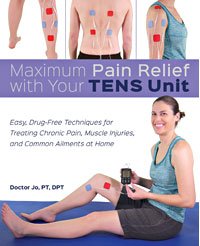
TENS units & EMS units can be very helpful when recovering from an injury or surgery. The two are very different, but often come together in one unit like the iStim EV-805 unit I use in this video.