Knee pain can be caused by many things. Many of the muscles in the knee area go up into the hip area. Often a tight quadricep muscle can cause knee pain. My favorite exercise for this area is a quad set. It’s great for knee, hip, and thigh area.
This stretch is performed in real-time, so it’s easy to follow along if you want.
Related Knee Pain Relief Videos:
You may also like

Peripheral neuropathy is basically when you have damage to your peripheral nerves from either a trauma or disease. This can cause your hands and/or feet become numb and tingly. I'll focus on the feet/legs for this video.
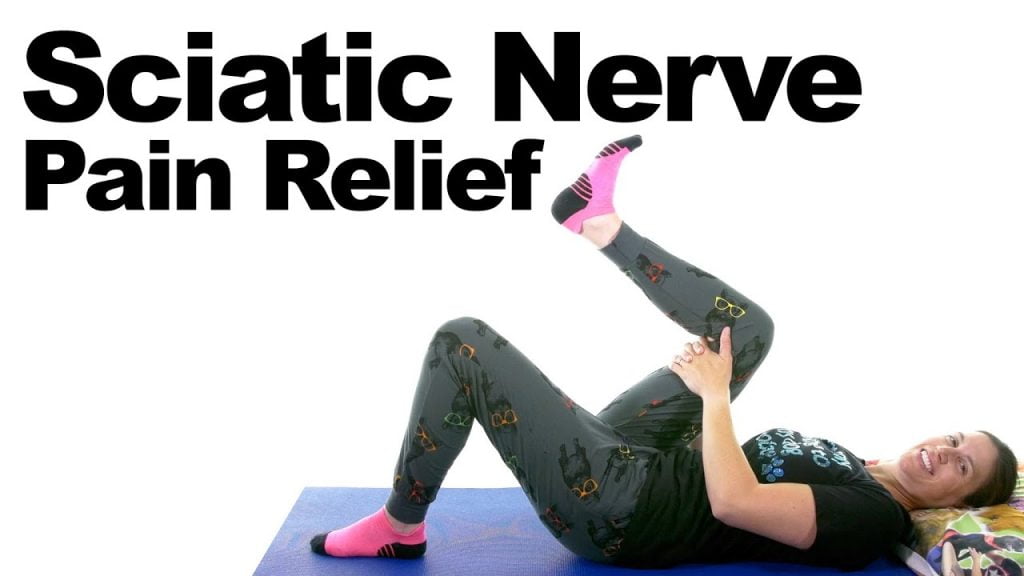
Sciatic nerve pain often comes from tight muscles along its pathway. The hamstrings, IT band, and adductors can all contribute to compressing the sciatic nerve. These stretches might help.

This knee pain relief routine can help strengthen and loosen up the muscles around the knee and hip area. These knee exercises are done in real time, so it’s easy to follow along with the routine.

Knee pain can be a daily challenge, whether it occurs in the morning after waking up or at the end of a long day. This guided, real-time knee stretching routine is designed to help relieve knee pain, knee stiffness, improve knee flexibility, and support knee joint health, whether you are starting or ending your day (or anywhere in between).

Doctor Jo shows some simple stretches to help relieve sciatic nerve pain. Some of the best stretches to help get rid of sciatic nerve pain are piriformis stretches.

Leg pain and/or swelling in the legs can cause a lot of problems, and it can also prevent you from activities and even walking. Here are 5 easy ways to help reduce leg pain and swelling.

Patellofemoral pain is pain under and around the kneecap. Sometimes when your kneecap does not track properly in the groove, it can rub on either side of the bone. If this occurs for a long period of time, it can cause irritation, inflammation, and pain.

Exercising a stiff knee can help loosen up the joint and the muscles around the joint. These exercises should help relieve a stiff knee.

With a total knee replacement, it’s important to do physical therapy on the knee (prehab) BEFORE the knee replacement because the stronger and more flexible the knee is before surgery, the better the recovery and outcomes will be.