PTs will often analyze your gait by watching you get up and walk across the room, but most of the time we are analyzing your gait as soon as you walk into the clinic. If you have been diagnosed with gait abnormalities, these stretches and exercises might help.
There are also tests that can be performed like the 6-minute walk test to see how far you can walk in that time. But there are also more high-tech ways of analyzing your gait like walking on a treadmill with sensors on your body while a camera records you.
The way we walk can predict many things. Some of these things include gross motor delays in children, fall risks in older adults, and even the risk of dementia.
Benign Paroxysmal Positional Vertigo, better known as BPPV, can literally stop you in your tracks. Make sure you are properly diagnosed with BPPV before trying these because vertigo symptoms can be an indication of something more serious.
These moderate core strengthening exercises are a progression from my beginner core exercises, and these intermediate core exercises are a great next step once the beginner ones become too easy.
Active sitting is sitting on an unstable surface to help improve posture and strengthen core muscles. This can help relieve back pain and other issues from prolonged sitting. Active sitting became popular when people started using a Swiss ball or stability ball to sit on, but now there are a variety of chairs that do the same thing in a safer way.
Muscle Scraping can help promote tissue healing, improve motion, and help reduce pain. This form of scraping therapy evolved from the traditional Chinese medicine healing technique known as Gua sha.
A rebounder is a mini trampoline that uses bounce and movement to improve balance, posture, core strength, and endurance. Rebounder physical therapy involves exercises performed on the rebounder and can be used to treat many different injuries.
This standing exercise routine for seniors can help loosen up and strengthen the muscles in the neck, shoulders, back, hips, knees, and ankles. This routine is performed in real-time, so it’s easy to follow along.
Sitting in front of a computer all day for school or work can tighten & weaken muscles in the neck, shoulders, chest, hips, knees, and feet. These sitting stretches & exercises may help.
Vagus nerve stimulation (VNS) is a treatment that uses electrical impulses to stimulate the vagus nerve. The ZenoWell Luna utilizes transcutaneous auricular vagus nerve stimulation, which targets the branch of the vagus nerve in the ear.
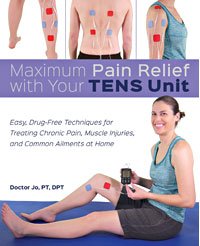
TENS units & EMS units can be very helpful when recovering from an injury or surgery. The two are very different, but often come together in one unit like the iStim EV-805 unit I use in this video.