3 Ways to Treat Knee Pain Including Red Light Therapy & Massage
Sponsored Content: This video contains paid product placement. Thank you to RICIAL for sponsoring this video and providing Doctor Jo with a free Red Light Therapy Knee Massager to use. If you purchase products from these links/ads, Doctor Jo may earn a commission from qualifying purchases.
Stretches and exercises are a great way to help treat knee pain. It can also be beneficial to use other treatments like red light therapy and massage. The RICIAL Red Light Therapy Knee Massager has both 660nm red light therapy & 850nm near infrared light therapy as well as heated vibration.
Red light supports surface comfort while near infrared light reaches deeper areas to help maintain joint flexibility and improved circulation.
Varicose veins are caused by weak or damaged walls in the veins and valves. This is a common condition, but they can be painful. These stretches and exercises may help reduce them.
This real-time knee routine features easy stretches & exercises that can help strengthen the knees & relieve pain. It can also help decrease knee tightness and improve overall knee flexibility.
The XPOLAR X2 combines Cold Therapy, Heat Therapy, Contrast Therapy, and Dynamic Compression in one device. This 4-in-1 ability makes it a convenient and effective treatment for a wide variety of injuries.
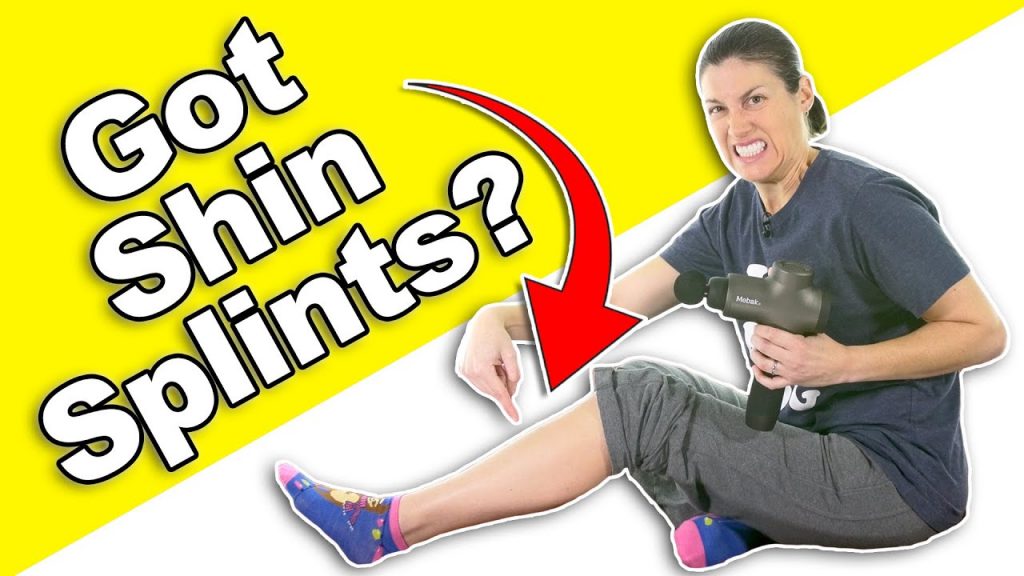
With Shin Splints, pain can be felt on the front (anterior shin splints) or on the inside/medial ankle (posterior shin splints). Using a massage gun on the painful area, as well as stretches & exercises, can help with pain relief.
These knee stretches and exercises in bed are a great way to help relieve knee pain in the morning before getting up, and/or when going to bed at night. And they don’t necessarily need to be done in bed, they can also be done on the couch or floor.
A stiff knee can be caused by tight muscles around the knee, injuries, or even arthritis. Some simple stretches to loosen up the muscles around the knee should help.
Peripheral neuropathy is basically when you have damage to your peripheral nerves from either a trauma or disease. This can cause your hands and/or feet become numb and tingly. I'll focus on the feet/legs for this video.