Dynamic Stretching vs Static Stretching: When to Use Each
When should I stretch, and what kind of stretch should I use? Dynamic or Static? Dynamic stretching involves moving a joint through its full range to increase flexibility, and static stretching involves holding a single position for several seconds to also help with flexibility. Pre and post workout stretching can help prevent injuries, so it’s important to know when to do each version of stretching.
Pre workout:
Muscles need time to warm up, and stretching helps circulate more blood to those areas, allowing for a greater range of motion and flexibility. Stretching also helps lower the risk of injury. 5-10 minutes of dynamic stretching is best for before a workout.
Post workout:
Static stretches are best after a workout to get the body calmed back down. Cooldowns after high-intensity activity helps gradually bring the heart rate, body temperature, and blood pressure back down to normal.
Have you ever tried to go to sleep, but you just ended up lying there and getting frustrated because sleep seems just out of reach? If so, these simple stretches and the 4-7-8 breathing technique should help relax your body and help you fall asleep fast.
The best sleeping position for you shouldn't be something you lose sleep over! Doctor Jo will show you how to get your body in a neutral sleeping position for a better night's sleep.
Doctor Jo shows you three simple chest stretches to get your muscles loosened up if you have tight chest muscles or sore pectorals (pectoralis) from a workout.
We squat every day from sitting down in a chair to getting out of bed, or even sitting safely on the toilet, but squats can be a painful task when something hurts, or our muscles are weak. Practicing squats in a reverse order can help strengthen the muscles and work on doing them correctly and safely.
This real-time lower body isometrics routine features easy exercises that can help strengthen the lower body & relieve pain. It can also help decrease tightness and improve overall flexibility.
If you're a truck driver or a delivery driver, sitting all day can put a lot of stress on your body, especially your back, bottom, legs, and hips. These stretches and exercises are a great way to help keep your body moving for all kinds of drivers and anyone who sits a lot throughout the day.
Struggling to get a good night’s sleep? You’re not alone! But here’s some good news: short strengthening exercises in the evening (like the ones in this video) can help improve sleep quality so you wake up refreshed.
Living with fibromyalgia and other chronic pain conditions can be an overwhelming experience, characterized by widespread pain that affects various parts of the body. One of the most beneficial approaches to help manage this pain is to incorporate gentle standing stretches and exercises into your daily routine.
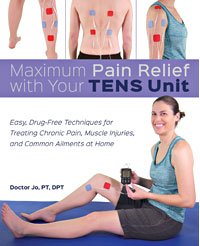
TENS units & EMS units can be very helpful when recovering from an injury or surgery. The two are very different, but often come together in one unit like the iStim EV-805 unit I use in this video.