Sleep Better At Night With Simple Evening Exercises!
Struggling to get a good night’s sleep? You’re not alone! A survey by the US Centers for Disease Control and Prevention showed that in the US, nearly 40% of adults age 45-64 report not getting enough sleep. Getting a good night’s sleep not only helps improve your mood and energy, but it also lowers disease risk.
A recent study in the journal BMJ Open Sport & Exercise Medicine suggests that doing short strength training and exercise breaks in the evening can help you sleep longer. This contradicts the “wind down” theory before bed, but it may be worth trying if you are not sleeping well at night. Three minutes of exercises, every 30 minutes for 4 hours in the evening, stopping at least 1 hour before bedtime is the recommendation.
These simple stretches are easy to do every day to help seniors stay mobile, independent, and pain free from head to toe! They can also help improve balance, gait, and decrease the risk of falls. And they are not just for seniors, they are also great for anyone looking for a simple every day routine.
Exercises for Osteoporosis can help prevent further decline and help protect the bones. It’s important to move safely if you have osteoporosis: Maintain good spinal alignment by keeping hips and shoulders in alignment (no twisting). These gentle exercises when done at one’s own pace may help.
Muscle Scraping can help promote tissue healing, improve motion, and help reduce pain. This form of scraping therapy evolved from the traditional Chinese medicine healing technique known as Gua sha.
Core exercises are very important to have a healthy and stable back as well as the whole body. The core is not only the front, sides, and back of the trunk, but it is also the pelvic floor. When first starting core exercises, it is best to try modified ones first and then progress to harder movements as the core gets stronger.
When the pectoralis (pec) muscles are strained, overused, or even tightened due to bad posture, it can cause chest pain and tightness. These easy chest pain relief techniques should help, but it’s always important to check in with your doctor if you are having chest pain to rule out any serious conditions.
Muscles and joints can become sore and irritated for many reasons including stress, over working the muscles, or an injury. These gentle stretches should help relieve sore muscles and joints.
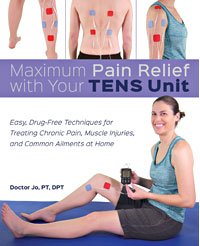
A TENS Unit helps reduce pain and increase circulation. Basically the vibration of the TENS follows the same pathway as the pain pathway to the brain and helps cancel it out. Learn more about TENS in this video.
Benign Paroxysmal Positional Vertigo, better known as BPPV, can literally stop you in your tracks. Make sure you are properly diagnosed with BPPV before trying these because vertigo symptoms can be an indication of something more serious.
Some of the most common accidents and injuries happen doing everyday activities. Walking, getting in and out of the shower, and even going up and down stairs can be dangerous for people with limited mobility. These simple exercises should help prevent these types of injuries.