Bodyweight exercises are great (especially for beginners) because they can be done without any equipment or an expensive gym membership. Many simple and effective exercises can be done with just our bodyweight. The bodyweight exercises in this video are great for helping to improving strength, balance, and overall health.
Related Videos by Dr. Jo:
You may also like

Exercises for Osteoporosis can help prevent further decline and help protect the bones. It’s important to move safely if you have osteoporosis: Maintain good spinal alignment by keeping hips and shoulders in alignment (no twisting). These gentle exercises when done at one’s own pace may help.

Living with fibromyalgia and other chronic pain conditions can be an overwhelming experience, characterized by widespread pain that affects various parts of the body. One of the most beneficial approaches to help manage this pain is to incorporate gentle standing stretches and exercises into your daily routine.

This full body stretching routine is great for general wellness, flexibility, and pain relief. This real-time video will give you a relaxing whole body stretch from your head down to your toes.

The pelvic floor muscles are often overlooked, and people don’t think about strengthening them. Since the pelvic floor muscles are small, it doesn’t take a lot of movement to work them, so it’s best to start with a little and slowly progress.

In this video, I teamed up with Dr. Jen, a pelvic floor physical therapist who also happens to be pregnant! She'll show you her top 5 exercises to help relieve low back pain when you are pregnant by mobilizing and stabilizing the pelvis.

Tension headaches can cause a lot of pain. Stress is a common cause of tension headaches. Relaxing the muscles around the neck and shoulder area can help decrease the pain caused by tension headaches.

There is some new research that shows certain isometric exercises (contracting muscles without movement) can help prevent and treat high blood pressure, or hypertension. Here are some examples.

Relieving Chronic Pain through simple stretches and exercises starts with finding the right movements for your body. In this video, I'll show you gentle stretches and exercises to help relieve chronic pain without causing a flare-up.
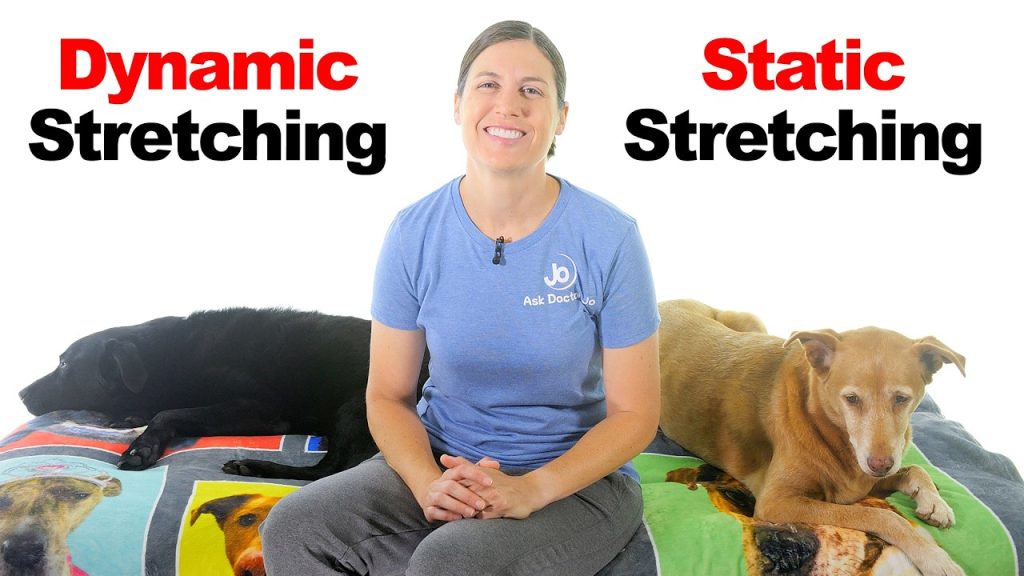
When should I stretch, and what kind of stretch should I use? Dynamic or Static? This video explores how pre and post workout stretching can help prevent injuries, and the importance of knowing when to do each version of stretching.