This seated stretching routine for seniors focuses on simple stretches that can help loosen up the muscles in the neck, shoulders, back, hips, and knees.
This seated routine is performed in realtime, so it’s easy to follow along. It’s a great daily routine for seniors or for anyone looking for an easy but effective seated stretching routine.
The routine starts off with a warmup including cervical rotation and sidebend, as well as deep breathing will get the muscles warm and loose.
The first stretch is also an exercise. Chin tucks are a great way to help loosen up the neck and shoulder muscles as well as reset the muscles that might get overworked or fatigued when not using correct posture.
Next, an upper trapezius stretch and a shoulder stretch with the hands clasped above will help the neck and shoulder muscles as well as the chest and upper back area.
Finally, a chair roll down and seated hip flexor stretch work the lower back and hips as well as the knees.
Finding a comfortable position to sleep at night can be challenging for some people. People who sleep on their sides and suffer from back, hip, and/or shoulder pain may find these tips helpful to get a better night’s sleep.
TENS units & EMS units can be very helpful when recovering from an injury or surgery. The two are very different, but often come together in one unit like the iStim EV-805 unit I use in this video.
Vagus nerve stimulation (VNS) is a treatment that uses electrical impulses to stimulate the vagus nerve. The ZenoWell Luna utilizes transcutaneous auricular vagus nerve stimulation, which targets the branch of the vagus nerve in the ear.
These simple stretches are easy to do every day to help seniors stay mobile, independent, and pain free from head to toe! They can also help improve balance, gait, and decrease the risk of falls. And they are not just for seniors, they are also great for anyone looking for a simple every day routine.
Hot & cold therapy can help the healing process during an injury, and it can also help reduce acute and chronic pain. But which one should you use? Here are some general rules for using hot verses cold.
Bell’s Palsy is the sudden weakness of your facial muscles on one half of the face. These exercises may seem like you are just making funny faces, but this will help get the weak muscles working again.
Vagus nerve stimulation uses gentle electrical impulses to stimulate the vagus nerve. The vagus nerves control our parasympathetic system (resting and digesting) by sending signals to the brain to release calming neurotransmitters.
Muscle Scraping can help promote tissue healing, improve motion, and help reduce pain. This form of scraping therapy evolved from the traditional Chinese medicine healing technique known as Gua sha.
Red light therapy's popularity is rising, and there's a lot of research that shows red light and infrared light therapy can be beneficial for many different things. In this video, I take a look at the Luxxe Flex smart red light therapy panel.

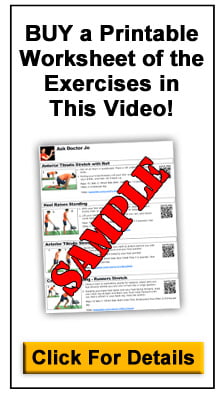 This seated stretching routine for seniors focuses on simple stretches that can help loosen up the muscles in the neck, shoulders, back, hips, and knees.